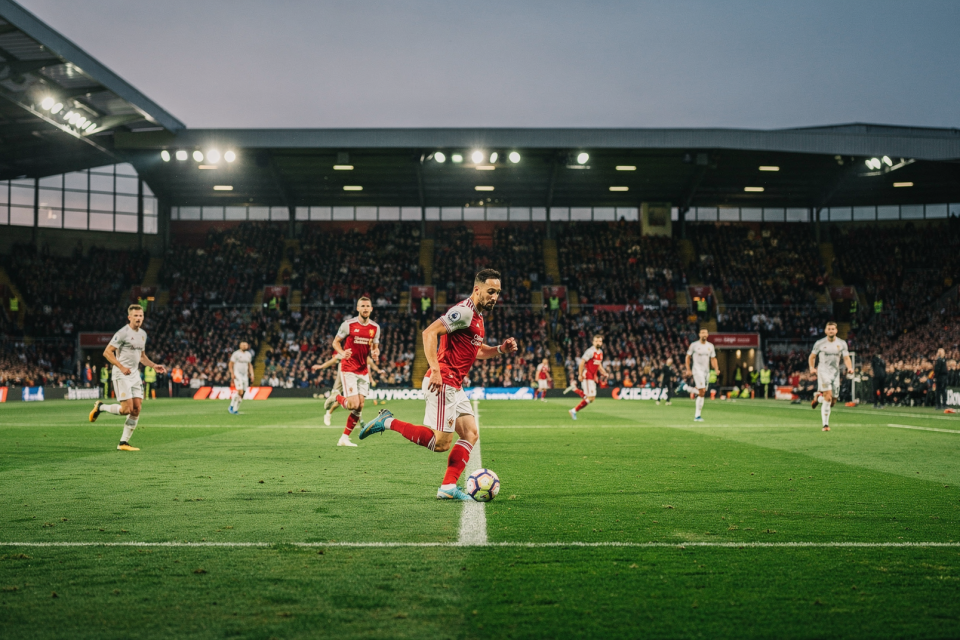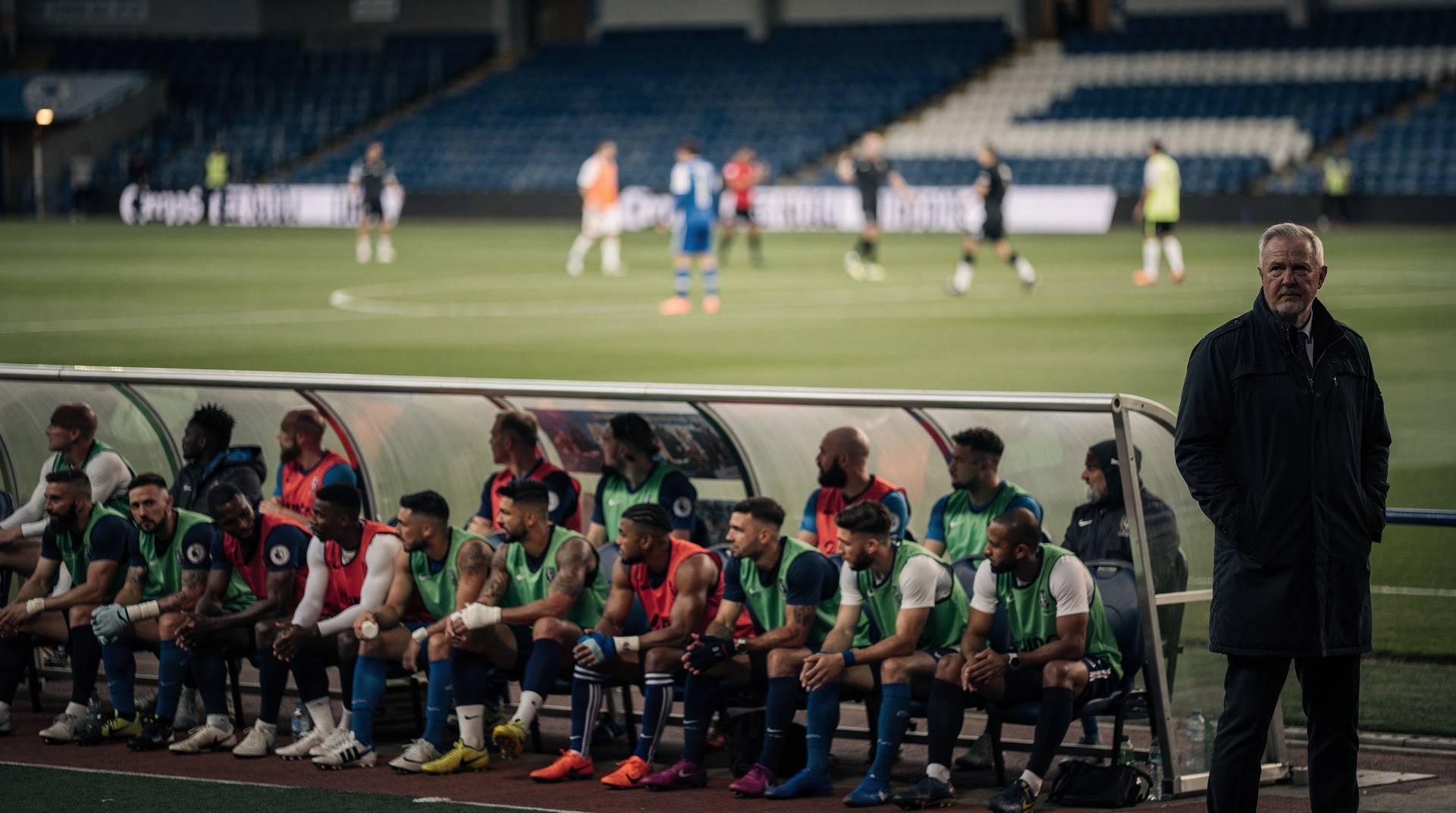
A cup run is rarely won by a team’s best XI alone. It is won by the squad that handles relentless rotation, absorbs the sting of injuries, and refuses to dip when the fixture list tightens and the stakes climb. In that sense, a deep cup run is one of the most honest stress tests of squad depth in modern football—a mirror that reflects not only who can play, but who can survive.
Why cup runs expose the truth about squad depth
Cup football forces managers to use more players, more often, in conditions that forgive nothing. A league campaign lets you absorb an off-day, recover over weeks, and lean on the security of a long season. A knockout path does the opposite: it punishes every weak link immediately—fatigue, a nagging injury, a manager’s reluctance to trust his bench, the drop-off between starter and substitute. That is why a cup run reveals whether a squad is genuinely complete or merely top-heavy.
The mechanics are unforgiving. A Premier League side fields a strong first XI on a Sunday, then barely 72 hours later needs the bench to carry a tie against lower-league opposition playing with nothing to lose. Those three days are where squad depth stops being a spreadsheet exercise and becomes the difference between a controlled passage and a messy, early exit. Cup runs also expose whether a club has built its squad for one competition or for the reality of fighting on multiple fronts. The drop-off cannot be hidden by a forgiving league table; every mismatch is magnified.
For British audiences, this pattern is especially familiar in the FA Cup and Carabao Cup. The cold-weather midweek ties, the congested festive calendar, the sudden switch from a Premier League rhythm to a scrappy replay on a tight pitch—all of it keeps asking the same question: if two or three starters drop out, does the team still look like itself? The most useful way to think about depth is not “how many names are on the payroll” but “how much quality can the manager trust without altering the team’s tactical identity.” A squad can carry 25 senior professionals and still be dangerously shallow if the backups do not fit the pressing structure, lack the required tempo, or need fifteen minutes to settle into a game that is already running away from them.
| Squad-depth factor | What it looks like in a cup run | Why it matters |
|---|---|---|
| Starting XI quality | Reliable core players in key positions | Sets the ceiling in knockout matches |
| Bench quality | Substitutes who can change or stabilise a game | Protects against late collapses and fatigue |
| Positional balance | Cover across defence, midfield, attack | Prevents tactical reshuffling after injuries |
| Rotation trust | Manager willing to rest players without panic | Preserves energy across multiple rounds |
| Youth readiness | Academy players who can handle real minutes | Creates emergency solutions and future value |
| Style compatibility | Backups who fit the same tactical model | Stops the team from losing its identity mid-tournament |
What actually counts as squad depth in tournament football
Squad depth is not about having more bodies; it is about having usable bodies. A club might list 27 senior professionals, but if only 14 can perform the required role at the required level, the depth is cosmetic. In tournament football, usable depth means players who can enter a knockout match and preserve the game plan—not merely fill a shirt and hope for the best.
There are three functional layers to this. The first is the obvious one: the players who start if everyone is fully fit. The second is where cup runs are truly shaped: the functional backups who can begin a tie without dragging the team’s standards downward. The third is the emergency layer—academy graduates, utility specialists, fringe professionals—who can cover absences without forcing a complete tactical redesign. A successful run almost always calls on all three layers at some point, even if only one or two players from the third group ever see the pitch. The key is that when those moments arrive, the system doesn’t collapse.
That’s why depth must be judged by role, not just by reputation. A club might have a marquee forward on the bench, but if the midfield lacks a ball-retention specialist or the full-backs cannot handle transitions, the squad is still dangerously brittle. Managers in cup competitions obsess over these seams because the format amplifies every mismatch. A tired centre-back shifts the defensive line by two metres; an untrusted substitute forces the manager to leave key starters on the pitch long after their sprint data says they should be resting.
The modern game has made this even sharper. High pressing, repeated maximum sprints, and the relentless compactness of fixture scheduling have pushed physical loads upward. The drop-off from starter to backup is more punishing than it was a generation ago. A cup run therefore reveals not just depth in numbers, but depth in readiness: who is truly fit, who is tactically fluent enough to step into a coordinated press, and who can handle the speed of a knockout tie without needing a ten-minute bedding-in period.
During a cup run, a practical checklist surfaces again and again:
- Can the second-choice players maintain the same tactical shape without the team losing its pressing triggers?
- Can the manager rotate without weakening the defensive structure or the off-ball organisation?
- Can at least one backup in each unit—defence, midfield, attack—pass, recover, and defend under pressure?
- Can the squad cope with extra time, travel, and the brutal short turnaround between rounds?
If the answer to those questions holds steady, the squad is deep in the only way that matters in tournament football: it can survive the tournament, not just start it with a strong team-sheet.
How managers use cup runs to test the full squad
A cup run is also a management stress test. The manager’s decisions determine whether depth becomes a competitive advantage or a liability, because rotation only works when players understand their roles and accept that selection is fluid. In a well-managed campaign, the tournament becomes a tool to keep the entire squad engaged without sacrificing competitive rhythm.
The shrewdest managers treat cup ties as part of a wider load-management puzzle. They rotate at carefully chosen moments—not because the competition is unimportant, but precisely because it is part of a bigger season. Resting one full-back, starting a second-choice goalkeeper, giving a young midfielder a controlled 60 minutes in a tie that still matters: done well, this keeps the core group fresh and hands the wider squad genuine match exposure. It also sends a clear signal that the cup is not a second-class assignment.
Purposeless rotation, though, creates chaos. A cup side that changes six or seven positions without preserving key on-pitch relationships often looks disconnected for the opening half-hour, especially against opponents who press aggressively or sit deep and break quickly. The manager’s task is to balance freshness with continuity—usually by leaving the spine intact while rotating around it. A familiar centre-back pairing, a trusted holding midfielder, a focal point in attack: keep those pillars and you can rotate the pieces around them without the team losing its structure.
The most revealing cup runs show how quickly the squad adapts when the first-choice unit is unavailable. Winning without the main striker, progressing after replacing both full-backs, fielding a patched-up midfield and still controlling the tempo—these are the signals that the squad has genuine functional layers. Conversely, if every absence forces a tactical downgrade, the cup run exposes a recruitment problem that league results have politely hidden.
There is a psychological dimension, too. Backups watch closely. If they are trusted in cup matches, they stay sharper, more committed, and more ready when the league calls. If they are used only in dead rubbers, match fitness and belief drain away. That’s why a cup run can quietly shape a season beyond the competition itself. A good run builds depth by giving players real responsibility in high-stakes moments. A bad run reveals how fragile the layers really are.
Common signs a squad is deep enough to go far in a cup
A deep squad shows its strength in small, repeatable patterns rather than in one spectacular night. The clearest indicator is that results do not nosedive when the line-up changes. Another is that chance creation remains steady and dangerous transitions are limited even when several regulars are resting.
In practical terms, a squad built to go far in a cup usually demonstrates:
- At least two reliable options in most key positions, with role profiles that match the system
- Bench players who understand the pressing structure and can step in without a tactical reshuffle
- A manager with the nerve to rotate before fatigue becomes visible, not after
- Enough senior leadership to anchor the team through difficult spells inside the match
- A defensive organisation that survives personnel changes without leaking big chances
- A set-piece threat, which often matters more in knockout football than across a 38-game league season
One frequently overlooked marker is impact from the bench. It is easy to admire depth when the starting line-up looks balanced on paper. The real examination comes later: can a substitute change the momentum of the match, or merely replace tired legs? In cup ties, those late interventions hold enormous weight. A fresh winger against a heavy-legged full-back, or a second striker arriving just as centre-backs begin to switch off, can be the difference between a replay in the cold and a quarter-final weekend.
Another telling clue is how the team responds to setbacks. Deep squads do not panic when they concede first or lose a starter to injury. They have enough familiarity and enough alternatives to reset the game plan without looking lost. That does not mean they never struggle; it means the struggle remains manageable. The team can still compete, still control phases, still genuinely believe the tie is recoverable. Shallow squads tend to reveal themselves through predictable substitutions, visible fatigue in the final 20 minutes, and a tactical drift that begins the moment a crucial player leaves the pitch.
What fans and analysts should look for during a cup run
A cup run offers its richest lessons when the focus shifts beyond results and into the patterns beneath them. Fans and analysts can learn a great deal by tracking how the manager rotates, where the quality drop-off becomes visible, and which players grow in importance as the tournament progresses. That is where the real story of squad depth lives—not in the final scoreline but in the choices that produce it.
A simple evaluation framework brings those patterns into focus:
| What to watch | What it tells you | Warning sign |
|---|---|---|
| Rotation pattern | Whether the manager genuinely trusts the full squad | Only one or two names are ever rested, regardless of opponent |
| Position-specific cover | How well the squad absorbs targeted absences | One injury forces a major tactical redesign |
| Late-game performance | Whether fitness and depth hold up when the tempo rises | The team fades noticeably after 70 minutes |
| Bench contribution | Whether substitutes alter the game’s direction | Substitutes merely maintain the scoreline, never tilt it |
| Opponent adaptation | Whether the squad can handle different playing styles | The same structural weaknesses appear every round |
Analysts should also pay close attention to where the squad is stretched. A team can survive with a backup winger more easily than with a backup holding midfielder if the entire system leans on that role for defensive balance. A second-choice striker might be useful if the attack builds through wide deliveries but nearly useless if the approach depends on intricate central combination play. Knockout football exposes these role-specific truths more ruthlessly than any league block.
For the supporter, this is where the real entertainment sits. A cup run is not only about whether the club lifts silverware. It is about discovering who can be trusted under pressure, which young players are ready, and whether the manager has constructed a squad that can absorb the beautiful chaos of tournament football. That is why the same run can tell two stories at once: one about a trophy, and one about the deeper architecture of the team. It also explains why a seemingly disappointing exit can still deliver useful intelligence. A single loss is sometimes just a bad night. Repeated patterns—the same zones exposed, the same substitutions weakening the shape—usually mean the squad depth isn’t strong enough for the demands of a genuine run.
The lessons a cup run leaves behind for the rest of the season
A strong cup run often sends ripples far beyond the competition itself. It builds confidence, clarifies the internal pecking order, and shows the manager which fringe players can be trusted when league rotations become compulsory later in the campaign. In that sense, a cup run doubles as an information-gathering exercise for the entire season.
The first lesson is about trust. Once a player has delivered in a high-stakes cup tie, the manager is far more likely to use him again in a league rotation. That matters enormously in the winter months, when injuries and accumulated fatigue begin to eat into the squad. The second lesson concerns tactical flexibility. If the squad has navigated several different opponents, styles, and game states, the manager gains a clearer picture of which structures are stable and which need reinforcement. The third lesson is recruitment—cup football often reveals the missing piece before the transfer window does.
There is a softer, equally important lesson: squad morale. Players who might otherwise have drifted to the edges of the group can become genuine contributors if they feel involved in a meaningful run. That involvement keeps training standards high, maintains competitive tension, and ensures the squad remains ready through the quiet months. A squad is never just the players who start every week. It is also the collective that keeps the daily standard, stays sharp through inactivity, and steps in without breaking the machine when the moment calls.
From an editorial and analytical standpoint, this is why cup runs remain so compelling. They compress all the hidden realities of squad building into a short, high-pressure sequence. A league table can tell you who is successful. A cup run tells you how that success is being sustained, and whether the squad is constructed to survive problems rather than merely avoid them.
The biggest mistakes clubs make when they mistake size for depth
A large squad does not automatically equal a deep one, and cup runs expose that disconnect with brutal speed. Clubs regularly carry enough bodies on paper while lacking genuine competition for places, role balance, or tactical compatibility when it matters most.
The first error is overvaluing raw numbers. Twenty-seven senior professionals feels reassuring until injuries cluster and half the bench cannot cover the same role profile. The second is signing specialists who don’t fit the system. A talented player who cannot execute the team’s pressing triggers or defensive rotations becomes a passenger in a knockout tie where everyone must be coordinated. The third is underestimating youth: capable academy players often sit unused until desperation forces the manager’s hand, when earlier, controlled exposure might have prepared them.
A fourth, subtler mistake is assembling a squad around too many similar profiles. Several creative attackers but no dependable midfield enforcer can make a squad look rich in talent yet poor in structure. Cup football punishes this quickly because different rounds demand different forms of problem-solving: some require control and patience, others demand recovery pace, aerial strength, or composure under a high press. True depth is the ability to answer all those demands without redesigning the entire team.
Clubs also confuse experience with depth, though they are not the same. An experienced player whose body no longer allows him to cover ground at the required intensity does not deepen the squad. Nor does a promising youngster still adjusting to the speed of senior football. Real depth is a blend of availability, adaptability, and performance level. When those three align, cup runs become survivable. When they don’t, the tournament eventually finds the gap.
That is why the most successful cup teams are rarely the ones with the most famous names. They are usually the ones with the most coherent squads, the clearest rotation logic, and the fewest weak links between the starting XI and the fringe group. A cup run teaches us that squad depth isn’t a metric on a scouting report or a transfer-window promise. It is a living, breathing test of whether the team can keep its shape, its intensity, and its collective confidence as the season begins to take pieces away.
In the end, a trophy chase reveals the real architecture of a squad. Some teams survive because their stars shine brightly. The better ones survive because their structure holds when the stars aren’t all there. Cup football makes that distinction impossible to ignore—and that is precisely why it remains one of the most revealing mirrors the sport has.